
Discover practical tips for starting a journal, uncover ideas to overcome writer’s block and learn how Luther Manor fosters creative expression among our residents.


Why journaling is a powerful daily practice for older adults
Journaling is simple, low-cost, and deeply personal—and it can support older adults by encouraging reflection, creativity, and daily mental engagement. Many senior programs use writing as a way to stimulate recall, strengthen identity, and reduce stress.
At I-CARE In-Home Senior Care, we often use journaling as part of a calm morning routine for seniors across Northern Virginia.
5 benefits of journaling for seniors
1) Supports memory through storytelling
Writing about a day, a childhood memory, or a family tradition gives the brain a reason to organize and “file” experiences.
2) Encourages creativity at any age
Creativity doesn’t have an age limit. Participatory arts engagement has been associated with cognitive benefits in older adults.
3) Reduces stress and improves mood
The CDC lists journaling as one of the practical ways to manage stress.
4) Builds purpose and routine
Many seniors feel better when mornings have structure. A journal can become a daily “anchor.”
5) Creates a legacy for family
Journals become treasured keepsakes—stories and wisdom preserved for children and grandchildren.
Easy journaling formats (no “writer” required)
- One sentence a day:“Today I felt…”
- Gratitude list:3 things I’m grateful for
- Photo journaling:Tape in a picture, write 3 lines
- Faith journaling:Scripture + reflection + prayer requests
12 senior-friendly journaling prompts
- A time I felt proud was…
- The best advice I ever received…
- A meal I loved growing up…
- Three things I want my grandkids to know…
- A favorite place in Northern Virginia…
- A song that brings back memories…
- A friend who changed my life…
- What I’m learning in this season…
- A moment I laughed hard…
- Something I’m grateful for today…
- A tradition I want to keep…
- A prayer for my family…
How I-CARE supports journaling at home
Caregivers can:
- Set up a comfortable writing area
- Offer prompts (without pressure)
- Help with hand fatigue (dictation, large-print journals)
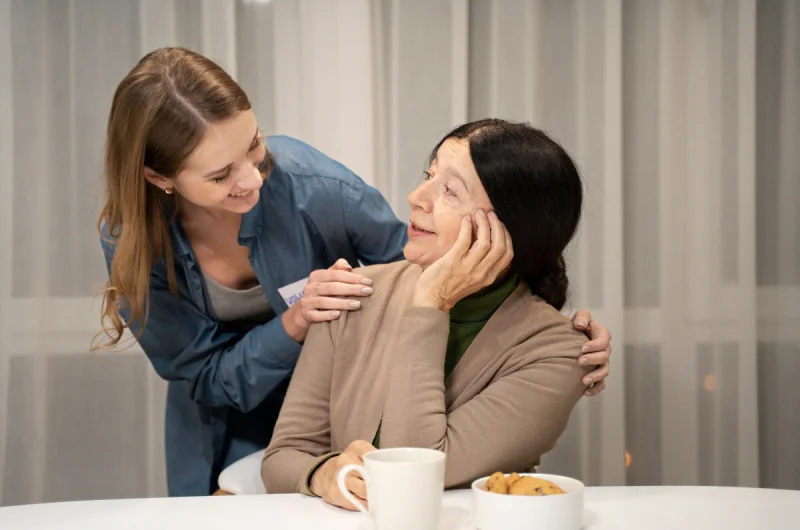
- Turn journaling into a shared, joyful activity
CTA: Want a caregiver who can build wellness routines like journaling into the day? Book a free consultation with I-CARE in Arlington, Alexandria, Fairfax, Tysons, Sterling, Herndon, Ashburn, Springfield, or Prince William.
FAQ
Is journaling good for seniors with memory loss?
Many families find journaling supportive as a gentle, structured activity that can encourage reflection and engagement.
What if my loved one can’t write well anymore?
Try dictation, audio journaling, or “prompt + short answer” formats.








Comments
miaqueen
It’s a great pleasure reading your post!
cmsmasters
Thanks.